
New at Drenen Financial- Estate Planning with Kim Pisinski
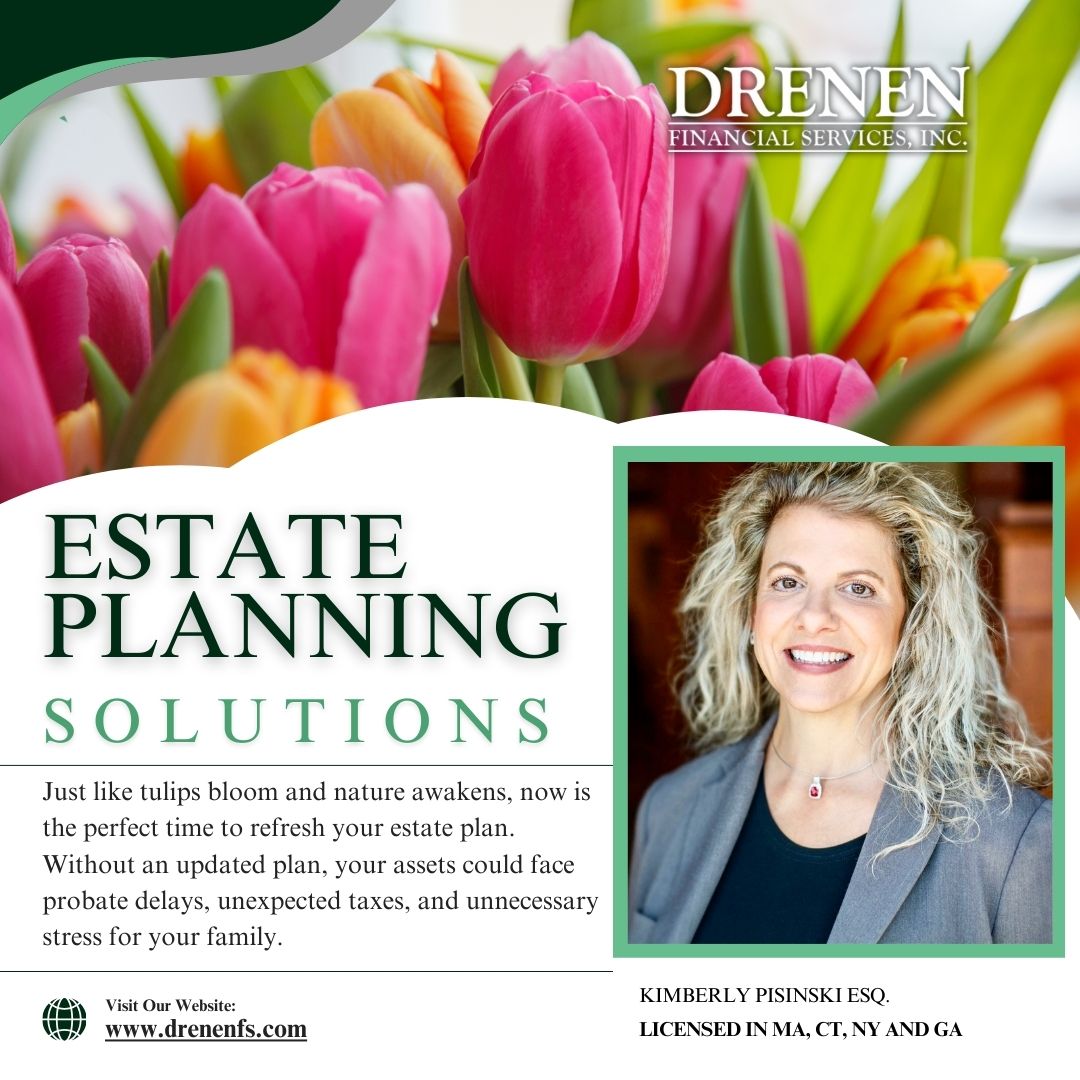
Spring Into Action: Secure Your Estate Plan for the Future
Spring brings renewal, and it offers the perfect opportunity to take control of your estate planning. As you watch flowers bloom and see your home refreshed, you also have the chance to set up a solid foundation for your future. In this guide, we share comprehensive Estate Planning Tips for Families that will help you protect your assets, prevent probate delays, and secure your legacy. By taking action now, you can ensure that your loved ones receive what you intend and that your wishes remain clear.
At Abundance Lawyer, our team works closely with families to create personalized estate plans that reflect their unique needs. In collaboration with Drenen Financial Services, we deliver integrated financial planning solutions that support your legal strategy from start to finish.
Why Estate Planning Is Essential for Every Family
Many people mistakenly think estate planning matters only for the wealthy. However, a well-organized estate plan benefits everyone, regardless of your net worth. You can protect your home, secure your assets, and provide your family with peace of mind. By updating your estate plan now, you actively prevent complications such as probate delays, unexpected taxes, and legal disputes later on.
Furthermore, a current estate plan reflects your evolving financial situation and personal values. With regular reviews and updates, you ensure that your plans match your life changes. For expert guidance, work with professionals like Kim Pisinski at Abundance Lawyer and consult trusted experts at Drenen Financial Services.
New Season, New Goals
As spring arrives, you experience fresh starts in every area of life. Similarly, you should refresh your estate planning goals. Begin by asking yourself:
- What do I want to achieve with my estate plan?
- Which assets do I want to pass on to my heirs?
- Do I need to support charitable causes that align with my values?
Setting clear objectives from the start creates a roadmap for your estate plan. As you define your goals, you also simplify decision-making and ensure that your estate plan stays aligned with your long-term vision.
Avoiding Probate Delays
A major reason to update your estate plan is to avoid the lengthy and expensive probate process. Probate can cause serious delays and reduce the amount your heirs receive due to legal fees. By planning ahead, you prevent such issues. You can:
- Establish a Revocable Living Trust: Transfer your assets into a trust during your lifetime, which helps your beneficiaries receive assets quickly without going through probate.
- Designate Beneficiaries: Directly name beneficiaries on accounts like life insurance, retirement plans, and bank accounts so that these assets pass on directly.
Using these methods will allow you to streamline asset distribution and spare your family unnecessary delays.
Protect What Matters Most
Your estate plan must protect not only your assets but also your family’s future. When you update your documents regularly, you reduce the risk of disputes over outdated paperwork. A current estate plan ensures that your assets get distributed exactly as you intend. Taking care of this now saves your loved ones from additional stress during an already difficult time.
Moreover, a robust estate plan acts as a shield against unexpected challenges. By covering all aspects of your financial and personal life, you offer your family a stable future. You can rest assured knowing that your legacy will be preserved and your wishes honored.
Minimize Tax Burdens
Estate planning also involves careful tax planning. You can reduce the tax impact on your heirs by structuring your estate effectively. For instance, you might:
- Gift Assets During Your Lifetime: By transferring assets while you are alive, you reduce the taxable value of your estate.
- Utilize Trusts: Certain trusts, like irrevocable life insurance trusts, can lower the value of your taxable estate, ensuring that more wealth remains with your family.
For additional information, consult trusted resources like the IRS Estate Planning Section and speak with professionals at Drenen Financial Services.
Gain Peace of Mind
Organizing your estate plan offers a sense of security similar to the clarity you get from spring cleaning. When you know that your assets are protected and your wishes are documented, you gain valuable peace of mind. This clarity allows you to focus on enjoying life and your relationships rather than worrying about future uncertainties.
Knowing that your loved ones will be cared for provides both emotional and financial security. It also minimizes the likelihood of family disputes over your legacy, ensuring a smoother transition for everyone involved.
Essential Questions to Ask About Your Estate Plan
Before you update your estate plan, ask yourself a few critical questions to ensure everything is in order:
- Does my Will reflect my current wishes and financial situation?
Review your Will regularly to ensure it accurately represents your goals. - Have I updated beneficiary designations on my life insurance and retirement accounts?
Keep these designations current, especially after major life events. - Are my financial accounts structured to minimize taxes and avoid probate?
Assess your accounts to ensure they are set up for optimal tax benefits. - Do I have a Power of Attorney and Healthcare Directives in place?
These documents are vital if you become unable to make decisions on your own. - Have recent life changes impacted my estate plan?
Adjust your plan whenever significant events occur, such as marriage, divorce, or the birth of a child.
If any of these questions raise concerns, then it is time to take action. An updated estate plan will protect your assets and secure your family’s future.
Claim Your Free Estate Planning Consultation Today
Estate planning need not be overwhelming. With professional guidance, you can create a plan that protects your assets, minimizes legal hurdles, and ensures that your loved ones receive what they deserve. In fact, through our partnership with Drenen Financial Services, we offer a FREE Spring Estate Planning Consultation.
During this consultation, our team will:
- Review your current estate plan,
- Create new documents if needed, and
- Structure your assets for long-term financial security.
We encourage you to schedule your FREE consultation today! Contact Abundance Lawyer via email or visit Drenen Financial Services to learn more about our expert estate planning solutions.
Detailed Estate Planning Tips for Families
1. Define Your Estate Planning Goals
A strong estate plan starts with clear goals. First, list what you want to achieve. For example, you might want to ensure that your assets reach your intended heirs, minimize taxes, or provide for charitable causes. Next, determine how these goals align with your personal values and long-term vision. Establishing clear objectives creates a roadmap that makes decision-making easier. This step not only clarifies your priorities but also guides you in creating a comprehensive plan that reflects your true intentions.
2. Take Inventory of Your Assets
Before you make decisions, compile a detailed inventory of your assets. Both tangible and intangible assets must be accounted for. This inventory should include every item of value to avoid overlooking anything important.
Tangible Assets:
- Real estate (homes, land, vacation properties)
- Vehicles (cars, boats, motorcycles)
- Collectibles (jewelry, art, antiques)
- Personal belongings (furniture, books, clothing)
Intangible Assets:
- Bank accounts (checking, savings, CDs)
- Retirement accounts (401(k)s, IRAs, pensions)
- Investments (stocks, bonds, mutual funds)
- Life insurance policies
- Business interests
Creating a comprehensive inventory helps you stay organized, simplifies the planning process, and ensures that no asset is left unaccounted for.
3. Choose Your Beneficiaries Wisely
Choosing beneficiaries is one of the most important decisions in estate planning. When you designate beneficiaries, you control who receives your assets and avoid the risk of the courts deciding for you. Consider these factors when making your choices:
- Include close family members like your spouse, children, or grandchildren.
- Consider close friends who have played a significant role in your life.
- Identify charitable organizations that resonate with your values.
- If you share financial interests, name business partners if appropriate.
Review and update beneficiary designations regularly. Life events such as marriage, divorce, or the birth of a child require you to adjust your selections accordingly. This proactive approach ensures that your assets will always be distributed according to your wishes.
4. Protect Your Loved Ones with Wills & Trusts
A Will serves as the cornerstone of your estate plan, specifying how your assets should be distributed after your passing. However, a Will alone might not address all your needs. Trusts provide additional flexibility and protection. They can help you control asset distribution, protect assets from creditors, and potentially reduce taxes.
Consider the following types of trusts:
- Revocable Trusts: They offer flexibility during your lifetime and allow you to modify asset distributions as circumstances change.
- Irrevocable Trusts: Although these trusts cannot be easily altered, they provide significant tax benefits and asset protection.
- Special Needs Trusts: These trusts help preserve government benefits for dependents with disabilities.
- Charitable Trusts: They allow you to support causes you care about while also offering tax advantages.
By combining a Will with various trusts, you create a robust estate plan that addresses multiple scenarios and secures your family’s future.
5. Secure Your Healthcare and Financial Decisions
Estate planning must also cover your healthcare and financial decision-making processes. When you prepare for the possibility of incapacitation, you relieve your loved ones of the burden of making critical decisions during difficult times. To achieve this, you should:
- Draft a Healthcare Directive that specifies your treatment preferences and end-of-life care.
- Establish a Durable Power of Attorney for Healthcare to designate a trusted person who will make medical decisions on your behalf.
- Set up a Durable Power of Attorney for Finances to allow someone to manage your financial affairs if you cannot do so.
These documents ensure that your wishes are followed and reduce the potential for disputes among family members.
6. Organize and Consolidate Financial Accounts
Managing multiple financial accounts can create confusion during the estate settlement process. Simplifying your financial records will benefit both you and your heirs. Start by reducing the number of accounts you maintain and compile a comprehensive list of all financial assets. Include account numbers, login information, and copies of important documents. This organization not only streamlines the settlement process but also minimizes stress on your family during an already challenging time.
7. Minimize Taxes and Maximize Benefits
Tax planning plays a crucial role in estate planning. By reducing the taxable value of your estate, you help ensure that more of your wealth is passed on to your heirs. Consider these strategies:
- Gifting Assets: Transfer assets to your beneficiaries during your lifetime to reduce your estate’s taxable value.
- Utilizing Trusts: Implement trusts such as irrevocable life insurance trusts to remove assets from your taxable estate.
- Consult with tax professionals to take advantage of current tax laws and exemptions.
These strategies help preserve your wealth and ensure that your family retains as much of your legacy as possible.
8. Verify and Update Beneficiary Designations
Beneficiary designations can become outdated as your life circumstances change. It is essential to review and update these designations on your retirement accounts, insurance policies, and bank accounts regularly. Ensure that the information aligns with the directives in your Will and trust documents. By maintaining consistent and current beneficiary designations, you avoid legal complications and guarantee that your assets are distributed according to your wishes.
9. Update Your Estate Plan After Major Life Events
Life changes, and your estate plan should change with it. Significant events such as marriage, divorce, the birth of a child, or the acquisition of new property necessitate an immediate review and update of your estate plan. Regular reviews, even in the absence of major changes, help keep your documents accurate and effective. Work with your estate planning professional to ensure that every update is legally sound and reflects your current priorities.
10. Work With an Estate Planning Professional
While DIY estate planning tools may seem attractive, they often lack the necessary detail and legal rigor to fully protect your interests. By partnering with a professional like Kim Pisinski at Abundance Lawyer, you benefit from:
- Expert guidance that ensures all documents comply with current legal standards.
- Personalized advice tailored to your financial situation and family dynamics.
- The confidence that comes from knowing your estate plan is comprehensive and reliable.
Professional help simplifies the entire process and ultimately creates a robust estate plan that safeguards your legacy.
11. Secure Your Legacy Today
Every family deserves a secure future. When you act now, you ensure that your wishes are honored, your assets remain protected, and your loved ones receive the care and support they need. By implementing these Estate Planning Tips for Families, you build a legacy that spans generations.
To get started, schedule a free consultation by emailing abundancelawyer@gmail.com. For more in-depth information on estate planning best practices and tax-saving strategies, visit the IRS Estate Planning Section and check out our internal estate planning resources.
Remember, the sooner you update your estate plan, the better prepared your family will be for the future. Embrace this season of renewal by taking action today, and secure the legacy you want to leave behind. Protect your assets, reduce potential legal hurdles, and gain the peace of mind you deserve.